Hand powered Survival Device
(ME Design Project)
Key Design Requirements
- Cost target: Less than $20 per unit for manufacturability and scalability
- Form factor: Compact handheld design (~160 × 50 × 135 mm, <3 lb)
- Ergonomics: Designed to fit 6.3–8.1 in hand sizes with non-slip grip
- Power generation: 2–3.5 W output at ≤12 V using a brushless DC motor
- Energy storage: 1000 mAh onboard storage
- Mechanical transmission: 62:1 gearbox designed for ≥10,000 cycles
- Reliability: Stainless steel gearing to reduce wear and corrosion
Design Process
-
Role
- Owned the design + verification of the curved gear rack, the primary element that transfers the handle squeeze force into the first drive gear and initiates motion in the gear system.
- Performed hand calculations and SolidWorks FEA checks to validate strength, stability, fatigue life, and gear-tooth performance; coordinated interface requirements with the curved rack screw and drive gear.
-
Component
-
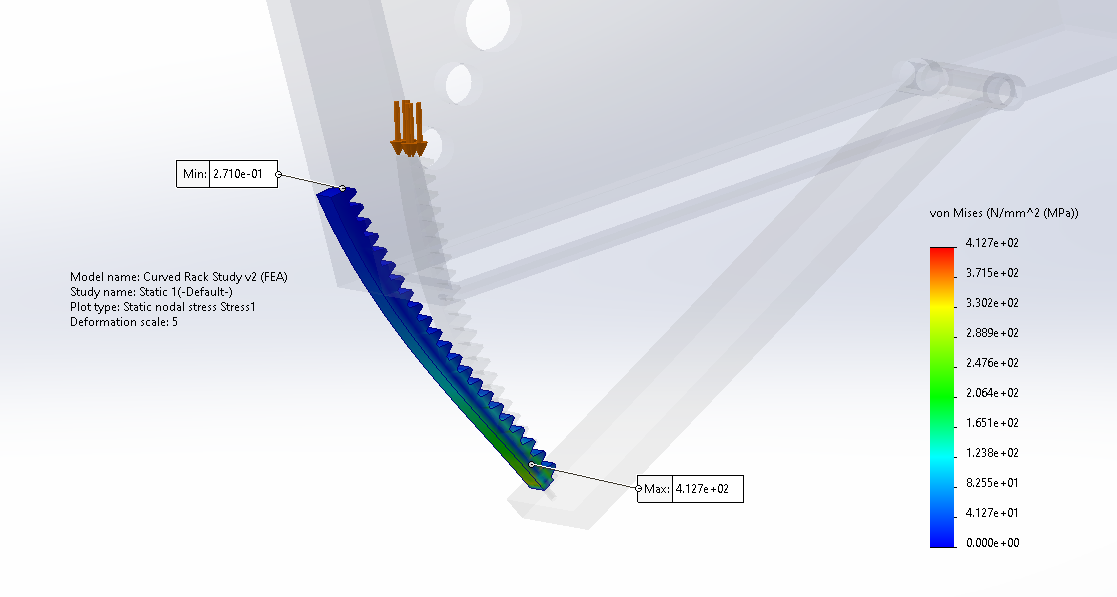
Static: Curved Gear Rack — FS = 1.65
- Verified bending-driven yielding risk at the fixed connection region under peak squeeze loading.
-
Buckling: Curved Gear Rack — FS = 26.42 (hand calc)
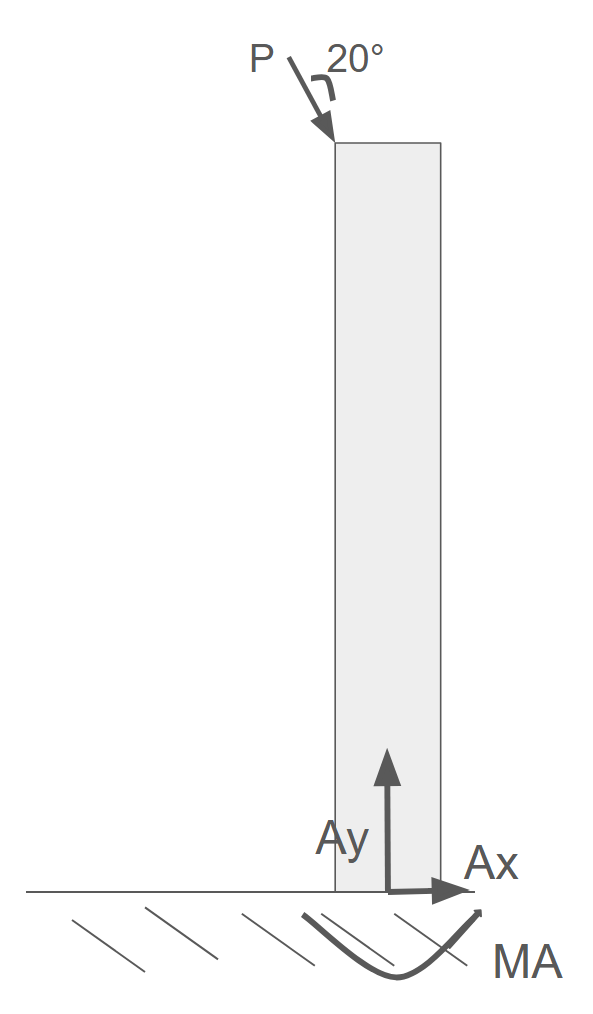 ,
~4.74 (SolidWorks buckling FEA)
,
~4.74 (SolidWorks buckling FEA)
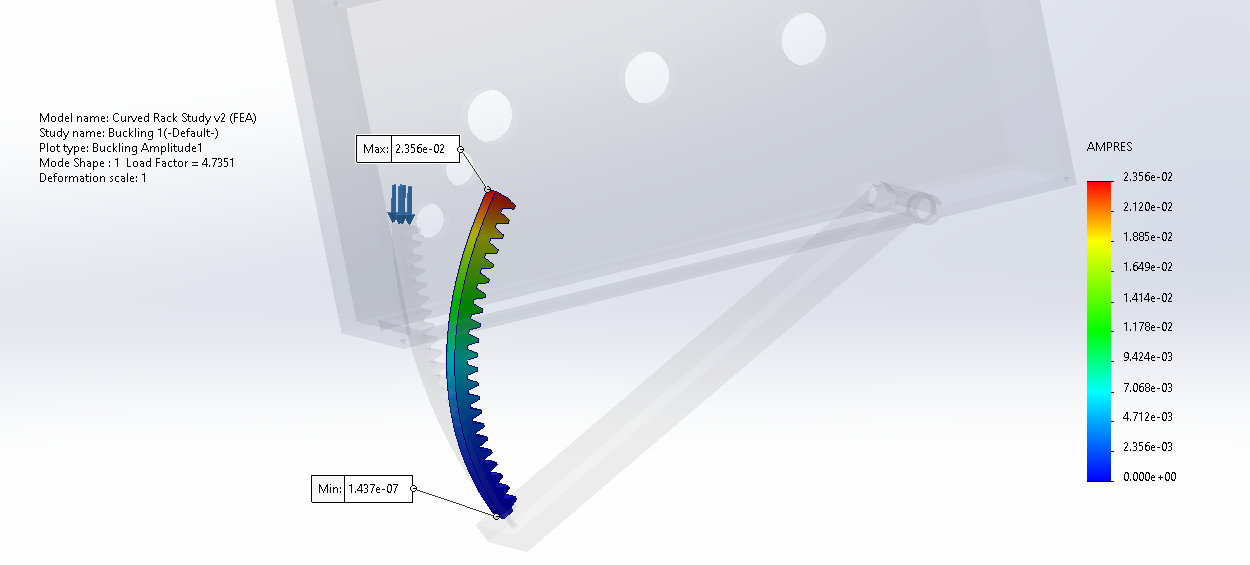
- Compared simplified-theory assumptions vs. curved-geometry FEA to bound stability margin.
-
Fatigue: Curved Gear Rack — FS = 1.09
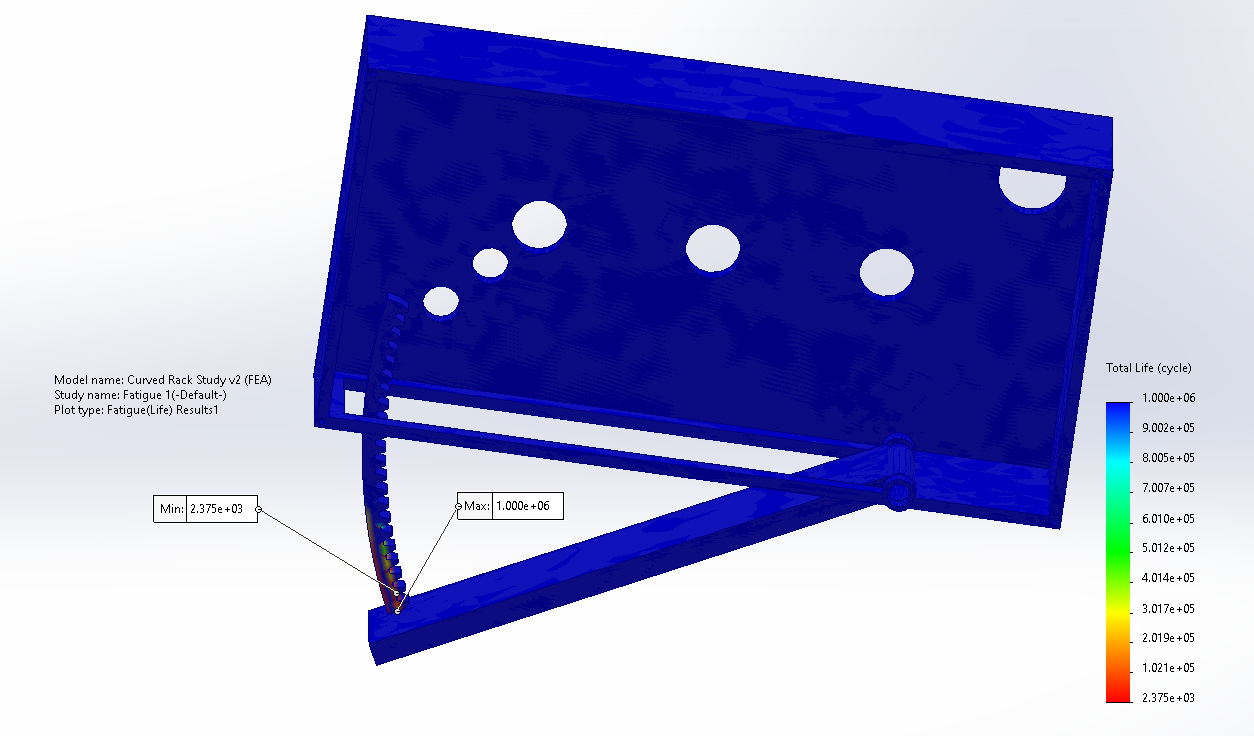
- Fatigue was a key driver; material selection was updated from Al 3003 to Al 5052 to improve factor of safety margin under cyclic squeezing.
-
Static: Curved Gear Rack — FS = 1.65
-
Connection
-
Static: Curved Rack Screw — FS = 9.78
- Checked bolt loading under peak rack force to confirm large margin against static failure.
-
Fatigue: Curved Rack Screw — FS = 7.243
- Verified repeated squeeze cycling does not drive fatigue failure of the fastening joint.
-
Power Transmission
-
Teeth Bending: Curved Gear Rack — FS = 1.52
- Validated gear-tooth bending strength under transmitted load into the mating drive gear.
-
Teeth Wear: Curved Gear Rack — FS = 18.93
- Confirmed strong margin against contact-stress wear for long-term operation.
-
Teeth Bending: Curved Gear Rack — FS = 1.52
-
Outcome
- Established the curved gear rack as a validated, production-ready design candidate with verified safety factors across: static strength, buckling stability, fatigue, joint integrity, and gear-tooth loading.
- Identified the lowest-margin modes (fatigue and tooth bending) early and used analysis + FEA to drive design/material decisions while maintaining healthy margins in buckling, wear, and fastening.
1 / 2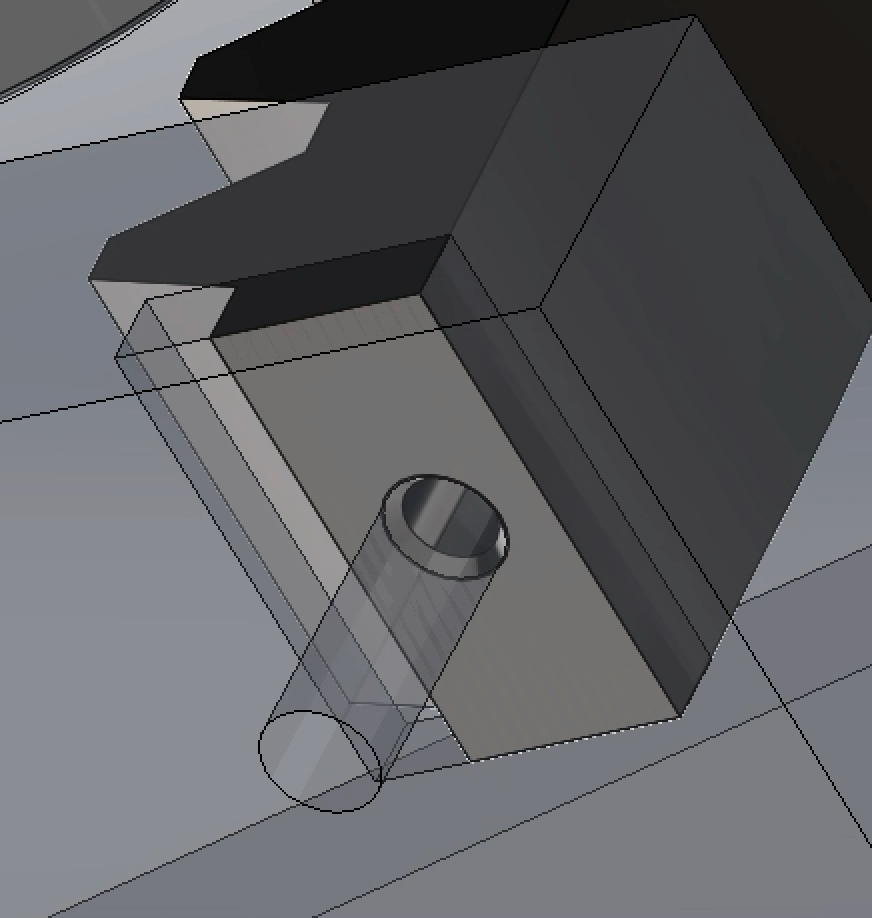 ❮ ❯2 / 2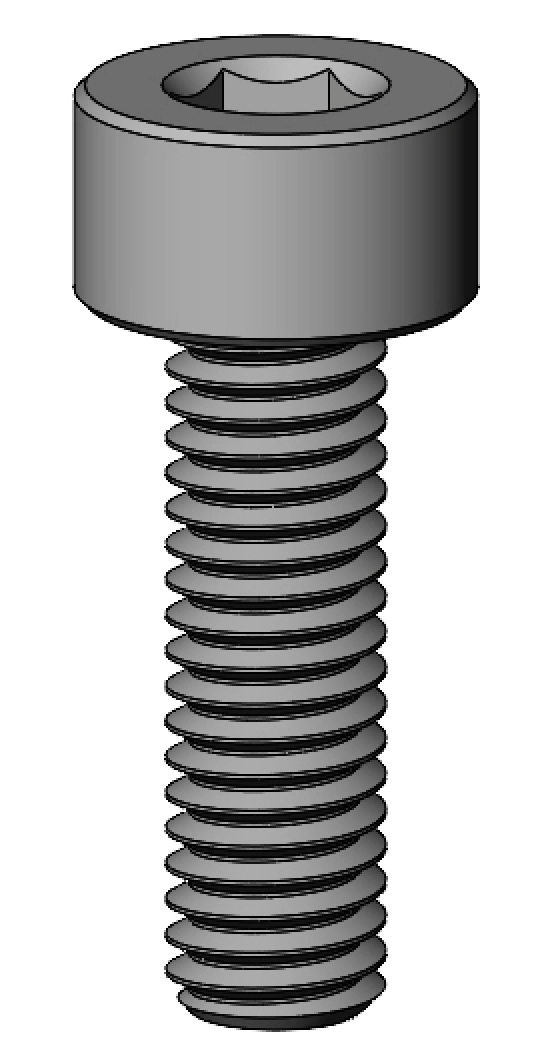
-
Static: Curved Rack Screw — FS = 9.78